
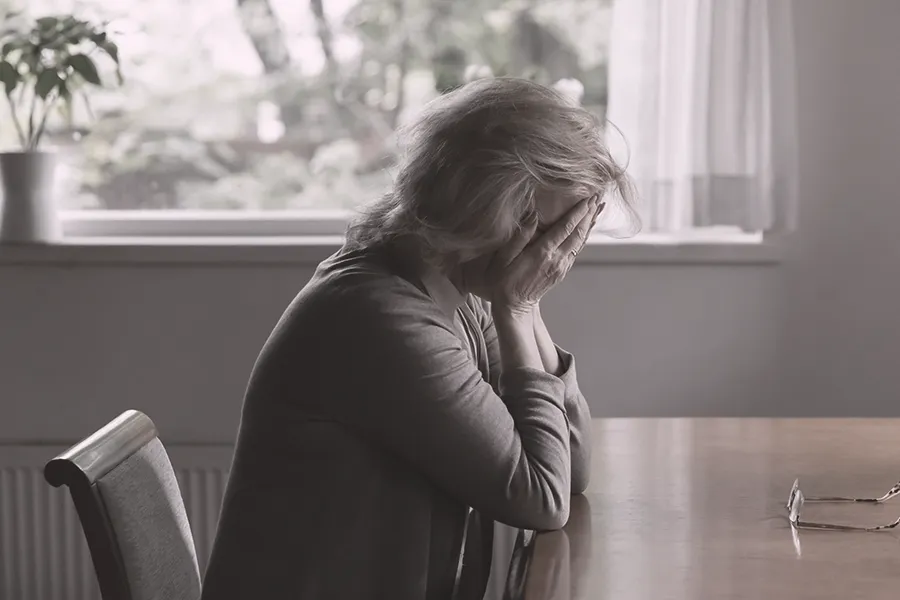
NHS GP Mental Health Support
— What Can Your GP Do?
Your GP can provide an initial assessment of your mental health, prescribe medication (such as antidepressants or anti-anxiety medication) if appropriate, issue a sick note for work, and refer you to specialist NHS services like talking therapies (IAPT) or local mental health teams.
How Your GP Can Help
When you speak to a GP about your mental health, they will listen without judgement and help you create a treatment plan. This may involve:
- Talking Therapies (IAPT)
Your GP can refer you to local NHS psychological therapies, which include cognitive behavioural therapy (CBT) for depression and anxiety. (Note: You can also self-refer to these services online). - Medication
If your symptoms are severe or persistent, the GP may discuss medication options with you, explaining the benefits and potential side effects. - Specialist Referrals
For more complex conditions, your GP can refer you to a psychiatrist or a community mental health team. - Lifestyle Advice
Guidance on sleep, diet, and exercise, which play a crucial role in mental wellbeing.
Frequently Asked Questions
Your medical records are strictly confidential. Your GP will not inform your employer about your mental health without your explicit consent. If you need time off work to recover, your GP can provide a “fit note” (sick note) that states the medical reason for your absence.
If you feel you cannot keep yourself safe, do not wait for a GP appointment. Call 999 or go to your nearest A&E. You can also call NHS 111 (select the mental health option) for urgent support 24/7.
Yes. If you are stable on your medication, you can order repeat prescriptions online via the NHS App. However, your GP will still want to conduct periodic reviews to ensure the medication is still working well for you.
Accessing Help Online
Discussing mental health can be daunting. Many patients find it easier to initiate the conversation through an GP consultation.
By filling out an online triage form, you can write down exactly how you are feeling without the pressure of a face-to-face appointment. Following this, the doctor can arrange a telephone or video consultation to discuss your symptoms further from the privacy and comfort of your own home.